Positive Response is the communication system that connects Facility Owner/Operator Members (and their locators) with excavators. It communicates the status of a locate ticket through response codes, comments, AND supporting documentation. Submitting a complete, high-quality Positive Response is not just a best practice—it is a requirement.
Since 2021 the Colorado One Call law has required supporting documentation attachments and the new Exactix system has been configured to better align with the law to ensure compliance and for this reason responses are not considered complete until file attachments are provided (with limited exceptions).
This article defines what constitutes a good Positive Response versus a bad one, so your organization can maintain compliance, reduce renotifications, and support excavator safety.
What Makes a Complete Positive Response?
An effective Positive Response includes four components:
- A Response Code that clearly communicates the status of the ticket (e.g., 001 – Locate Area Marked, 002 – Clear, No Conflict)
- Response Comments (minimum 10 characters, maximum 5,000), including the Facility Operator/Owner Member’s name, number of facilities, and the type and size of each facility
- Supporting Documentation File Attachments, such as pictures of markings, maps, or sketches, uploaded directly into the Colorado 811 Exactix Ticket System
- Timely Submission by the “Locate By” date on the ticket
KEY REQUIREMENT
Starting January 30, 2026, Colorado 811 will send Automatic Positive Response Renotifications when no Positive Response Attachment is provided. Exceptions apply only for codes 002 (Clear, No Conflict), 013 (No Conflict, Privately Owned Utility), and 025 (Locate Not Yet Started), as well as Damage, Emergency, and Cancel ticket types.
What a Good Positive Response Looks Like
Response Code Selection
A good response uses the code that best reflects the locate status. Choosing the correct code ensures that the excavator receives an honest and actionable message about what has—or has not—been done.
Response Comments
Good comments give the excavator the specific information they need to work safely. They answer the question: “What do I need to know before I start digging?”
EXAMPLES OF GOOD COMMENTS
-
“Area is Gas only, and Gas all runs to the front of the lot. There are no [Company] Utilities in the rear lots. If crossing over the road, the ticket needs to be called in to cover that area.”
-
“Based upon the information provided in this locate, our pipeline is clear. Location is over 100 feet NE of our assets.”
-
“Marked. Call [phone number] with any questions.”
Per Colorado 811 Positive Response procedures, good comments include:
- The Facility Owner/Operator Member’s name
- The number of facilities
- The type and size of each facility
- Any relevant details about the location of facilities relative to the dig area or special instructions (as demonstrated in the good response examples on the Colorado 811 Positive Response Codes reference)
Supporting Documentation and Attachments
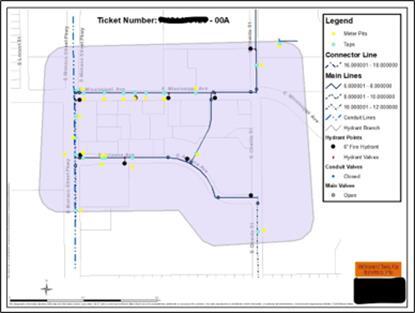
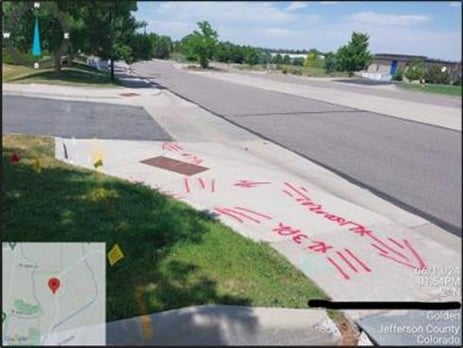
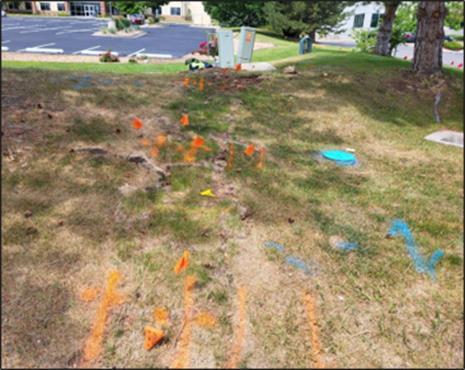
Good supporting documentation provides visual confirmation that the response code and comments are accurate. As outlined by Colorado 811, effective attachments include pictures, maps, and sketches. The presentation samples illustrate what good documentation looks like:
- Pictures or Short Videos: Photographs of completed markings on site that clearly show the locate marks and the surrounding area or maybe a picture of the lock on a gate or an animal in the yard if a no access response is used
- Maps: Maps showing facility locations relative to the dig site, including system maps or GIS-based maps with ticket information (as shown in the Colorado 811 good documentation examples)
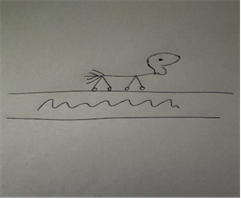
- Sketches: Hand-drawn or annotated sketches showing facility locations, measurements, and reference points (as shown in the Colorado 811 good documentation examples)
- GIS Shapefiles: depicting asset locations
- Screenshots: Texts, or emails, back and forth with an excavator on a ticket to have proof of the excavator agreement for an ongoing ticket (if the #23 response is used) or that no locate is necessary (if using the #22 - No Locate Necessary – Per Excavator No Locate Needed)
- PDFs: Instructions and contact information for the excavator to use if a stand-by is required by the member at the time of excavation
What a Bad Positive Response Looks Like
A bad Positive Response creates confusion, delays excavation work, increases liability risk, and can trigger automatic renotifications. Below are the most common issues.
Misuse of Response Codes
COMMON MISTAKES
- Posting 002 (Clear, No Conflict) when the locate is incomplete or still in progress. If your comments say “not cleared to dig” but your code says “Clear,” you are sending a contradictory and dangerous message.
- Using 017 (Completed – See Marks On Site) while adding comments like “Not clear to dig” or “This is a duplicate ticket.” The code and the comment must agree. If the ticket is not clear to dig, the response code should reflect that.
- Using discontinued codes. Codes 008 (Call Facility Owner for Further Info), 015 (No Locate Due To Extreme Weather/Emergency), and 020 (Sewer Marked – Best Available Info on Laterals) were discontinued as of January 30, 2026.
- Using a code that does not match the actual field conditions. Always verify what has actually been done before posting your response.
Inadequate or Contradictory Comments
EXAMPLES OF BAD COMMENTS
- Code 002 with comment: “Not cleared to dig! No utilities marked, ran out of time to complete locate.”
Why it’s bad: The code says “clear,” but the comment says the opposite. This is dangerous and misleading.
- Code 002 with comment: “I attempted to contact [name]... left a voicemail... waiting on a return call.”
Why it’s bad: Waiting for information and posting “Clear, No Conflict” is contradictory. If you have not confirmed there is no conflict, do not use code 002.
- Code 017 with comment: “This ticket is a border or duplicate ticket **NOT CLEAR TO DIG**.”
Why it’s bad: Using a “completed” code while explicitly stating the excavator is not cleared to dig creates a safety hazard and a liability issue.
Poor-Quality or Missing Attachments
Colorado 811’s presentation on Positive Response best practices includes examples of documentation that did not meet the standard. The following patterns were highlighted as problematic:
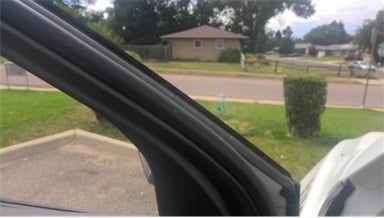
- Photos taken from inside a vehicle through a windshield or window, where markings and the dig area are not clearly visible (as shown in the Colorado 811 “Could Have Been Better” examples)
- Dark or unclear images that do not provide meaningful documentation of the locate (as shown in the Colorado 811 “Could Have Been Better” examples)
- No attachment at all when one is required by the response code used. Starting January 30, 2026, missing attachments will trigger automatic renotifications (except as noted above).
- External URLs to documentation stored outside Colorado 811. As of November 19, 2025, all file attachments must be uploaded directly into the Exactix system. Linking to external files is no longer supported.

Quick Reference: Good vs. Bad at a Glance
|
Item |
Good Practice |
Bad Practice |
|
Response Code |
Code accurately matches the actual field status of the locate |
Code contradicts comments or does not reflect what was actually done |
|
Comments |
Include owner name, facility count, type, size, location relative to the dig area, and contact info. |
Vague, missing, or contradictory (e.g., saying “not cleared to dig” under a “clear” code) |
|
Attachments |
Clear photos of markings, maps, and sketches are uploaded directly into Exactix.juhjjalk;jsd |
Drive-by photos through vehicle windows, dark/unclear images, missing files, or external URLs |
|
Timeliness |
Submitted by the Locate By date; use code 025 if locate has not started |
No response posted by the due date, resulting in automatic renotifications |
|
Consistency |
Code, comments, and attachments all tell the same story |
Code says one thing, comments say another, attachments are unrelated or missing |
THE BOTTOM LINE
A Positive Response is only as good as its consistency. Your response code, comments, and attachments should all tell the same story. When they contradict each other, the excavator is left guessing—and that’s when safety risks and project delays escalate. Take the time to post it right the first time, and you’ll reduce renotifications, protect your organization from liability, and help keep everyone safe.